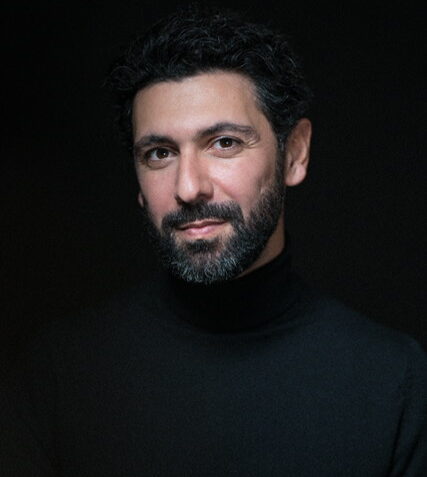
Samuel Madar appointed as Chief Executive Director of EU Watch
BRUSSELS – EU Watch announces the decision to appoint Samuel Madar as the new Chief Executive Director, succeeding Avital Grinberg at the helm of the organisation.
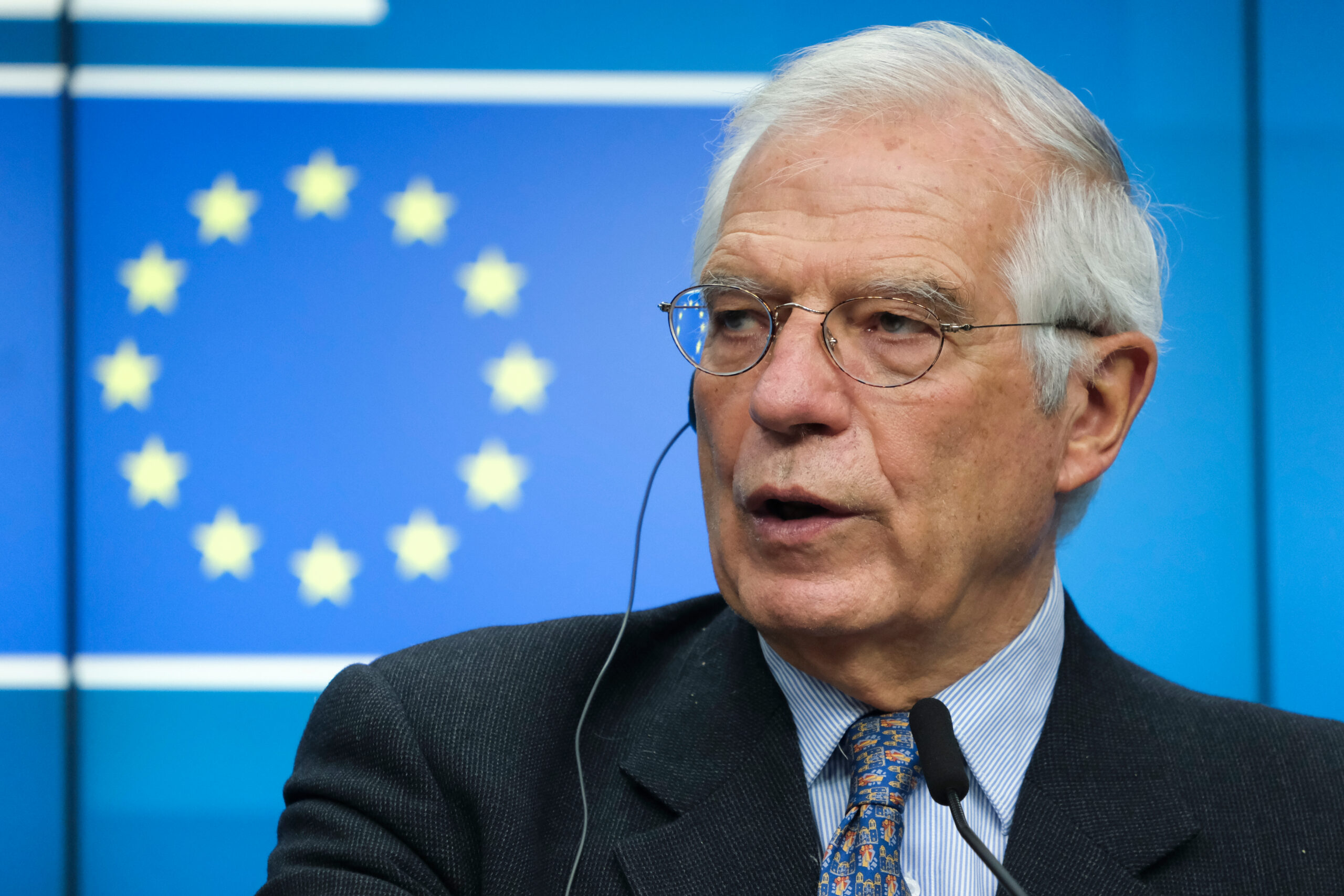
Josep Borrell’s tenure as chief EU diplomat has raised questions about accountability of leading officials.
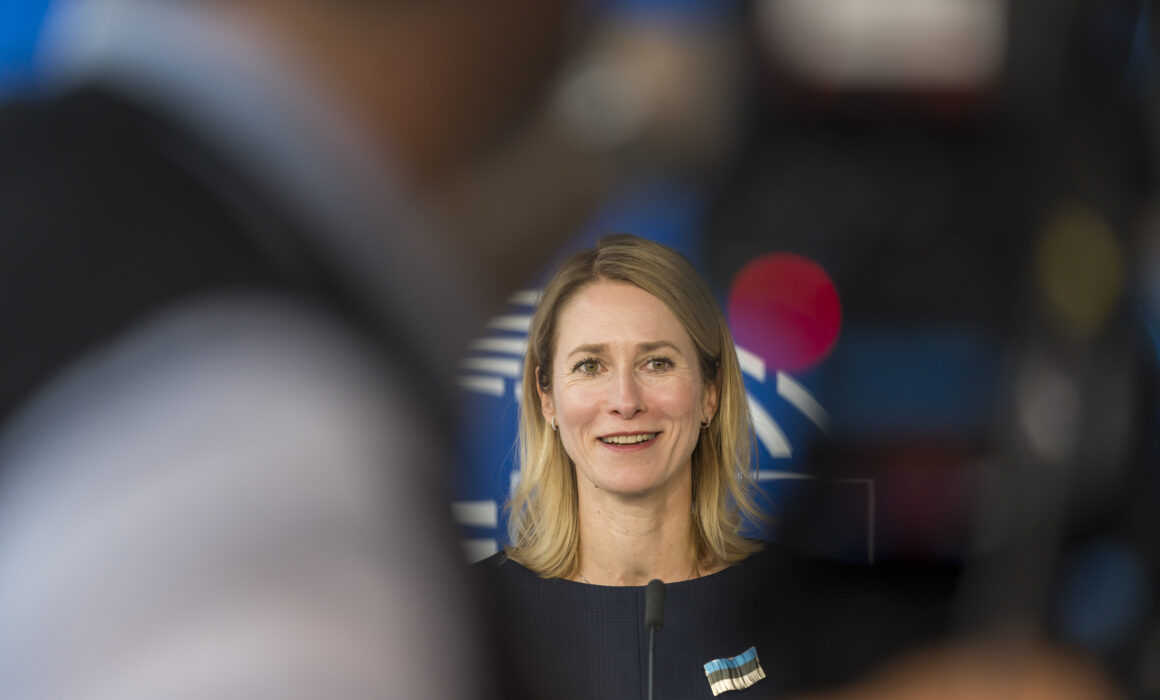
Josep Borrell, the EU’s High Representative for Foreign Affairs and Vice-President of the European Union (HRVP), is preparing to leave the post after almost five years at the helm of the EU’s foreign policy. Kaja Kallas, the former Estonian Prime Minister, is about to take over the position. The EU’s High Representative heads the European External Action Service (EEAS). As such, the EEAS and HRVP oversee all diplomatic and strategic partnerships with non-EU countries and carry out the EU’s foreign policy. In the anticipated leadership change, many EU representatives look back to a rather dissatisfied mandate and here is why.
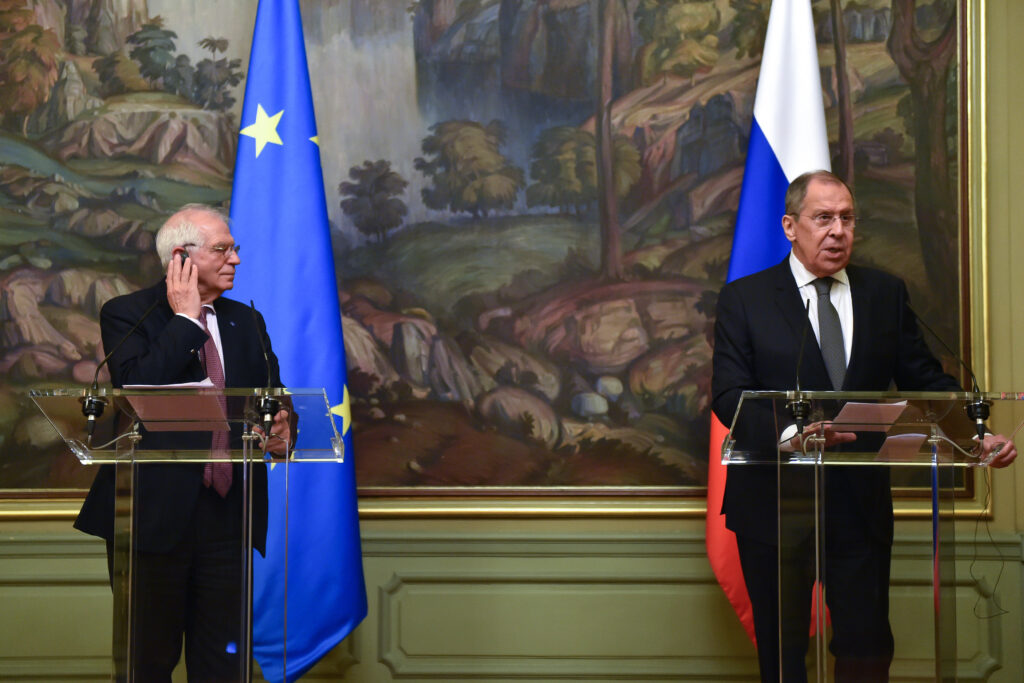
Chief EU diplomat Josep Borrell was heavily criticised for his trip to Moscow in February 2021, where he met with Sergey Lavrov, the Russian foreign minister, during tense EU-Russia relations in light of the detention of government critic Alexey Navalny. During the press conference with Borrell, Lavrov rebuked possible EU sanctions on Moscow for the treatment of Navalny, saying that “for Russia, the EU is an unreliable partner.” As Borrell’s visit to Moscow was unfolding, Alexey Navalny was paraded in a glass cage in the courtroom, answering new charges. This unsuccessful visit, proved Russia’s perception of the EU being weak and set the tone for Borrell’s lenient stands against autocratic regimes.
Russia’s full-scale invasion of Ukraine one year later tested the EU’s capabilities to adapt and support Ukraine politically, financially, and militarily. Borrell, as the foreign policy chief, has secured aid for Kyiv and advocated for the enlargement of the European Union to include the Western Balkans countries, Ukraine, and Moldova. However, the driving force behind the stage and the loudest voice on the stage proved to be European Commission President Ursula Von der Leyen. Borrell adapted his course according to the strong pro-Ukraine stands across the member states leadership. As the EU mainly relies on its soft power, in the wake of ongoing Russian aggression, the EU is ramping up investments in the defence sector, including the production of ammunition and missiles (the Act in Support of Ammunition Production – ASAP), which are critical for Ukraine’s defence.
Under Josep Borrell’s leadership, the European Peace Facility (EPF), an off-budget financial instrument, was set up in March 2021. The onset of the Russian invasion triggered the EU to ‘break a taboo’ and buy arms for Ukraine’s armed forces. The EPF was previously used to provide assistance to the armed forces of third countries by providing non-lethal equipment, medical supplies, engineering equipment, etc.
Brussels was shocked to learn that a Swedish citizen who worked as a diplomat in the European External Action Service (EEAS) was held hostage for more than a year in Tehran’s Evin prison, a story that The New York Times broke. Josep Borrell decided it was beneficial to keep the kidnapping of an EU diplomat under wraps, likely because it could harm efforts to restore the JCPOA, the nuclear deal with the Islamic Republic of Iran. This desperate restoration, of course, hasn’t happened since U.S. President Trump left the agreement in 2018. Floderus, who was released a few months ago in a controversial swap with Hamid Nouri, convicted for war crimes, wasn’t the only EU citizen held hostage in the Islamic Republic. There are more than 50 EU citizens held hostage around the world, the majority of them in the Islamic Republic of Iran.
‼️ BREAKING: A European Union official from Sweden has been held hostage by Iran for over 500 days, reports @nytimes.
— EU Watch (@EUWatchBrussels) September 4, 2023
33-year-old Johan Floderus, who works for the EU's diplomatic corps, was apprehended in April 2022 while on a tourist visit to #Iran. pic.twitter.com/14yqRTUKTp
The death of Jina Mahsa Amini in September 2022 at the hands of the Islamic Republic’s morality police sparked the ‘Woman, Life, Freedom’ revolutionary movement that resulted in massive nationwide protests. In turn, the regime in Tehran would brutally crack down on the protesters. The EU has sanctioned more than 200 individuals and over 40 entities for their involvement in the brutal suppression of protestors and human rights violations, which translates to an asset freeze, a travel ban to the EU, and a prohibition of making funds available to them.
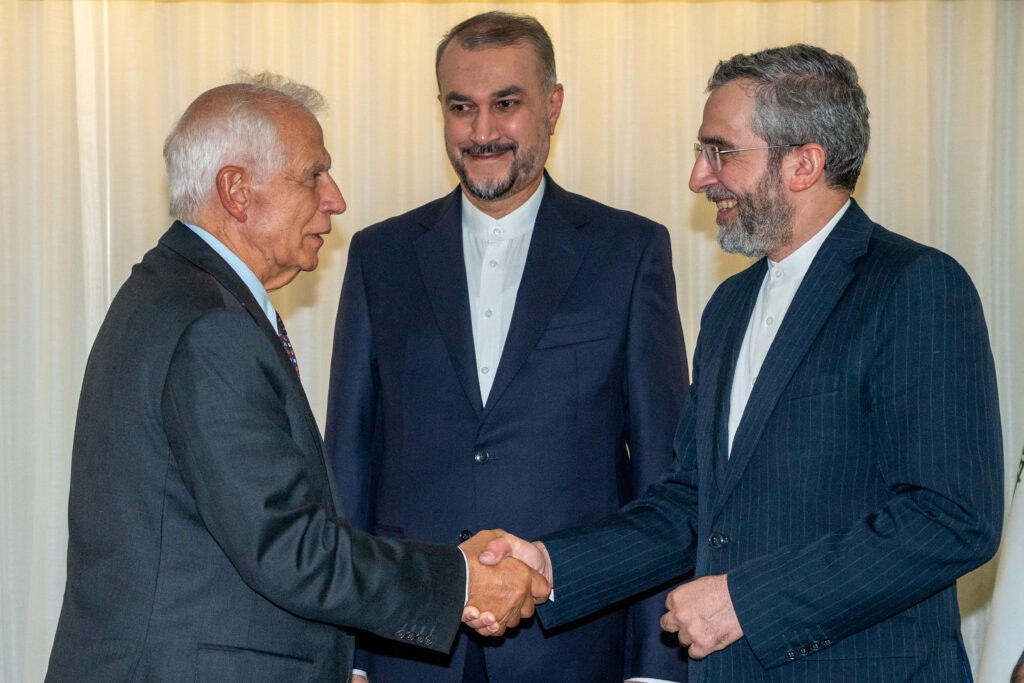
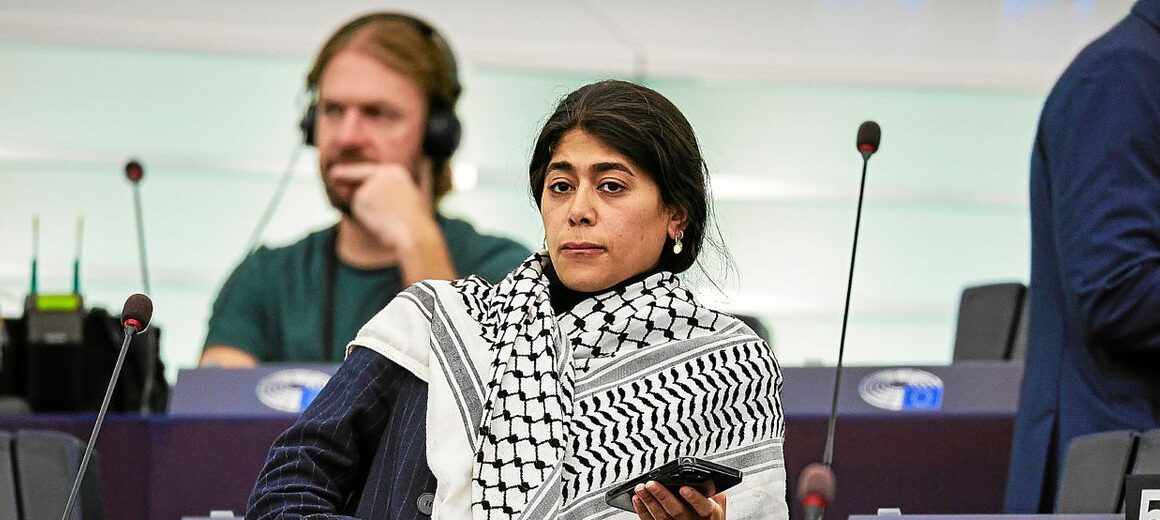
While Borrell and the EU have been supportive of the movement and introduced certain measures, they fell short of sustained pressure on the Iranian regime, as meeting regime representatives and talks for restoring the JCPOA trumped human rights concerns just a few months after. On one occasion while Josep Borrell attended a plenary session of the European Parliament, German Member of the European Parliament Hannah Neumann stated: “Mr. Borrell, you have to stop stabilising a brutal regime while the people of Iran are prepared to die for its downfall.
While continuously trying to revive the JCPOA, the latest round of controversy surrounded Enrique Mora, the Deputy Secretary-General of the European Union’s External Action Service (EEAS). On behalf of the EU, he attended the inauguration of the Islamic Republic’s new President Masoud Pezeshkian. Mora, in charge of the nuclear file in the EEAS, was seen in a group photo in Tehran, standing behind Ismail Haniyya, the leader of Hamas, an EU-designated terrorist organisation. Hanniya was killed in the Islamic Republic the day after the group photo.
Josep Borrell has continuously pushed back on adding Iran’s Revolutionary Guard (IRGC) to the EU terrorist groups list. “The addition of entities or individuals to the so-called ‘EU terrorist list’ (Common Position 931 – CP931) is subject to a decision by the Council by unanimity, and a national decision by a national competent authority, such as a court decision or a prescription order by an administrative authority, is a prerequisite for any additional listings. A national decision must be taken for acts that fall under the definition of terrorist acts under the sanctions regime in question.”
However, numerous legal experts have published opinions and studies arguing that under CP931 it is possible to blacklist the Revolutionary Guard. In January 2023, the European Parliament voted overwhelmingly in favour of designating Iran’s Islamic Revolutionary Guard Corps as a terrorist organisation. The issue is, that the resolutions of the European Parliament are non-binding. In the US, Canada, Saudi Arabia, and Bahrain, the Revolutionary Guard is already on the country’s terrorist group list.
All in all, Borrell’s position on the Islamic Republic of Iran has been deemed controversial, with critics accusing him of being too soft at a time when its proxies are highly active, the Middle East is in flames and the IRGC’s activities in Europe have come under increased scrutiny. By that, he has given Iran the impression that there would not be any meaningful consequences for them and their activities in Europe, which in turn only bolsters the regime’s hostage-taking activities and human rights violations. Lastly, the EU is also feeling the consequences of Iran’s global reach, as it supports its close ally Russia with thousands of ‘kamikaze drones’ and ballistic missiles that are being used in the ongoing war against Ukraine.
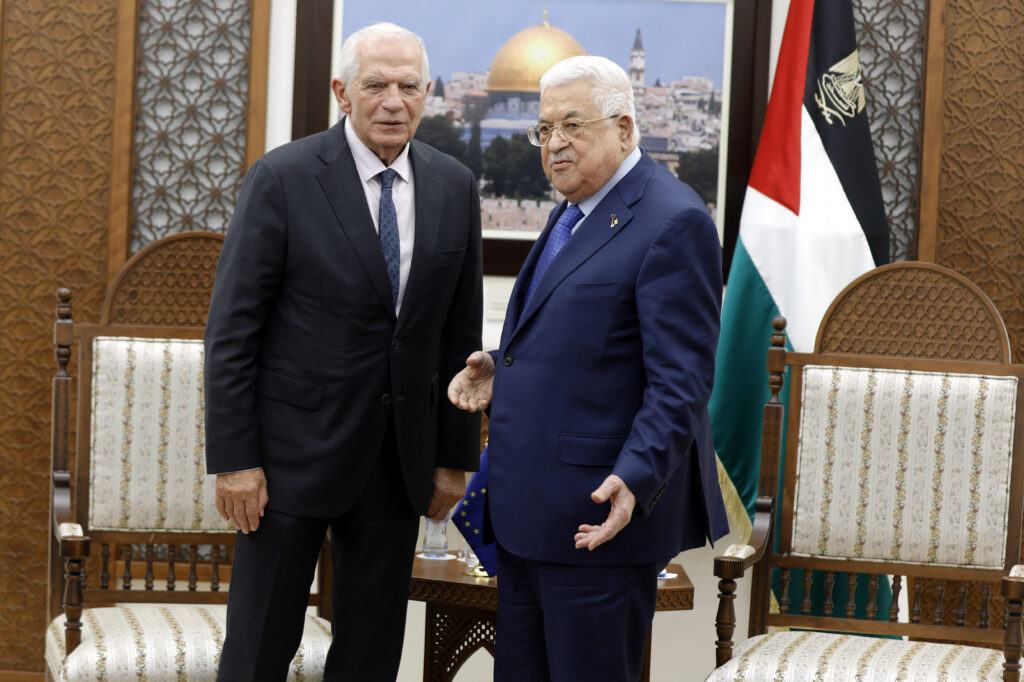
While Borrell is implementing decisions adopted by the 27 EU foreign ministers, some topics are far more polarising for member states than others. Such is Israel’s war with Hamas. In the difficult balance of uniting the views of all 27 EU member states, Borrell would publish statements that were met with frustration and criticism among member states who perceived him as being imbalanced and biased.
During the past 10 months of the war, Borrell would regularly refer to data provided by the Gaza Health Ministry, which is under the jurisdiction of Hamas. US President Joe Biden has also expressed concerns about the accuracy of the numbers provided. Further, his mixed messages about the EU’s support for UNRWA, the UN’s agency for Palestinian support and relief, whose employees have been proven to be involved in the Oct. 7th attacks and hostage-holding, left critics and even members of the European Parliament confused. It is no surprise, that he has made himself a ‘persona non-grata’ in Israel which puts the EU’s relationship with Israel under severe challenges.
Nonetheless, Borrell expressed repeated support for Israel’s right to self-defense and condemned Hamas and their terror attack on October 7th 2023. Overall, Borrell leaves a shaky legacy in the Middle East.
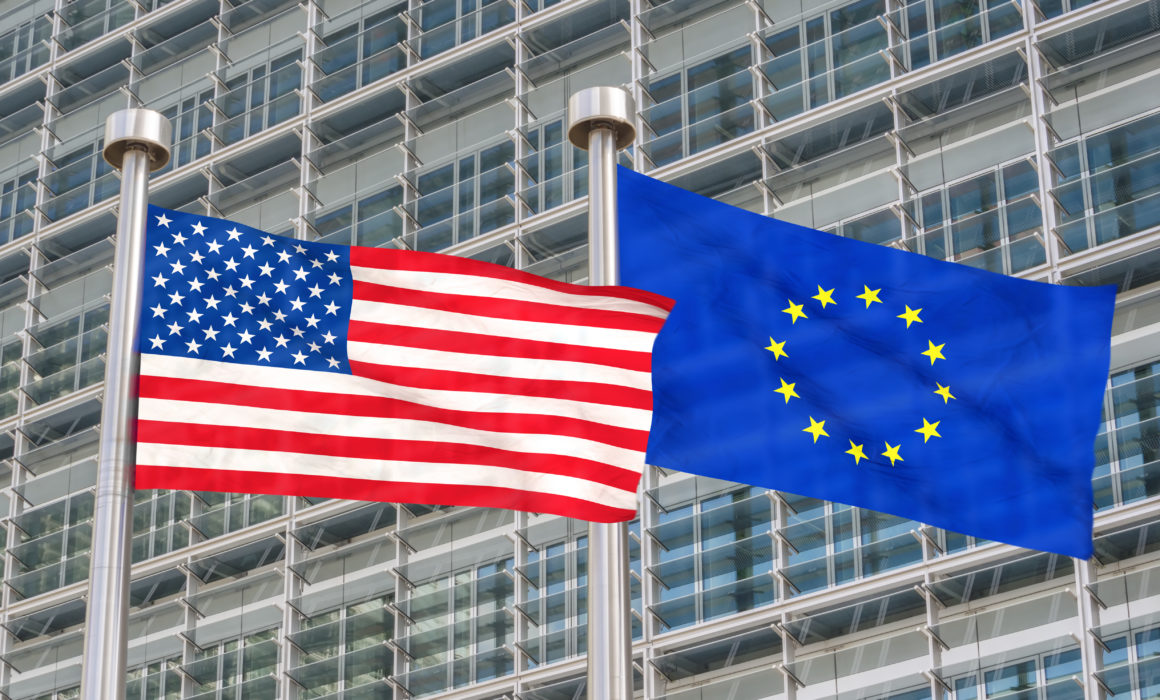
While things may have been moving when it comes to Latin America and its trade agreement with the EU, Borrell seems to have failed to cultivate closer ties with the most important strategic ally that the EU has – the United States.
In sum, Josep Borrell’s time as the EU’s High Representative for Foreign Affairs and Vice-President of the European Union has been marked by notable controversies. Like many politicians with a complex portfolio, they leave behind a lot of unfinished business.
As Borrell prepares to pass the torch to Kaja Kallas, his legacy remains a complex blend of diplomatic progress and continuous challenges, reflecting the inherent difficulties of leading the EU’s foreign policy in a turbulent global landscape. Kaja Kallas is expected to take a tougher approach than Borrell, especially on the relationships with Russia and China. As she is expected to take on this pivotal role after the European Parliament’s summer break, Kallas will need to rekindle the EU’s global standing in the world – something Borrell failed to achieve on many fronts.
Authors: Avital Grinberg, Nenad Jurdana.
BRUSSELS – EU Watch announces the decision to appoint Samuel Madar as the new Chief Executive Director, succeeding Avital Grinberg at the helm of the organisation.
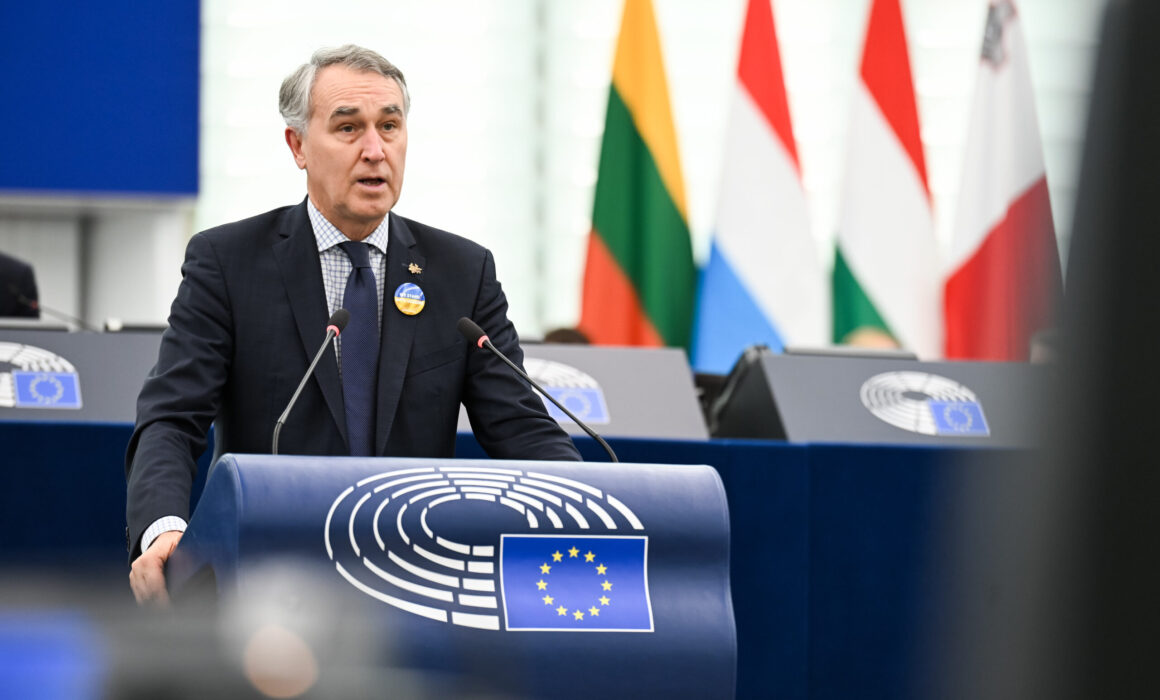
EU Watch interviewed Lithuanian politician Petras Auštrevičius who serves for the third time as a Member of the European Parliament. We discussed Russia’s war against Ukraine, the EU’s defense strategy and the concept of strategic autonomy vis-a-vis NATO.
EU Watch AISBL and HIAS Europe are delighted to invite you to our conference that is taking place on Monday, March 24 2025, at the Representation of the State of North-Rhein Westphalia to the EU, in Brussels.
Inside EU’s Financial Assistance: How the European Union allocates funds to Lebanon, Syria and the Palestinian Territories. Review The European Union’s development and humanitarian funds play a crucial role in […]
Read the response to our letter sent to EU foreign policy chief Josep Borrell regarding the EU’s Afghanistan policy and human rights issues, with a particular focus on Afghan women’s rights.
EU Watch interviewed Finnish politician Mika Aaltola, who serves for the first time as a Member of the European Parliament. We discussed the issues of the impact of US elections on Europe’s security, NATO and the EU enlargement.
EU Watch interviewed Austrian politician Helmut Brandstätter, who serves for the first time as a Member of the European Parliament. We discussed the issues of Ukraine’s support, EU enlargement, migration and media freedom.
Subscribe to our newsletter
EU Watch - Website: DIREXION Web Agency
This site is protected by reCAPTCHA and the Google Privacy Policy and Terms of Service apply.
| Cookie | Duration | Description |
|---|---|---|
| cookielawinfo-checkbox-performance | 11 months | This cookie is set by GDPR Cookie Consent plugin. The cookie is used to store the user consent for the cookies in the category "Performance". |
| cookielawinfo-checkbox-analytics | 11 months | This cookie is set by GDPR Cookie Consent plugin. The cookie is used to store the user consent for the cookies in the category "Analytics". |
| cookielawinfo-checkbox-others | 11 months | This cookie is set by GDPR Cookie Consent plugin. The cookie is used to store the user consent for the cookies in the category "Other. |
| viewed_cookie_policy | 11 months | The cookie is set by the GDPR Cookie Consent plugin and is used to store whether or not user has consented to the use of cookies. It does not store any personal data. |
| cookielawinfo-checkbox-necessary | 11 months | This cookie is set by GDPR Cookie Consent plugin. The cookies is used to store the user consent for the cookies in the category "Necessary". |
| cookielawinfo-checkbox-functional | 11 months | The cookie is set by GDPR cookie consent to record the user consent for the cookies in the category "Functional". |